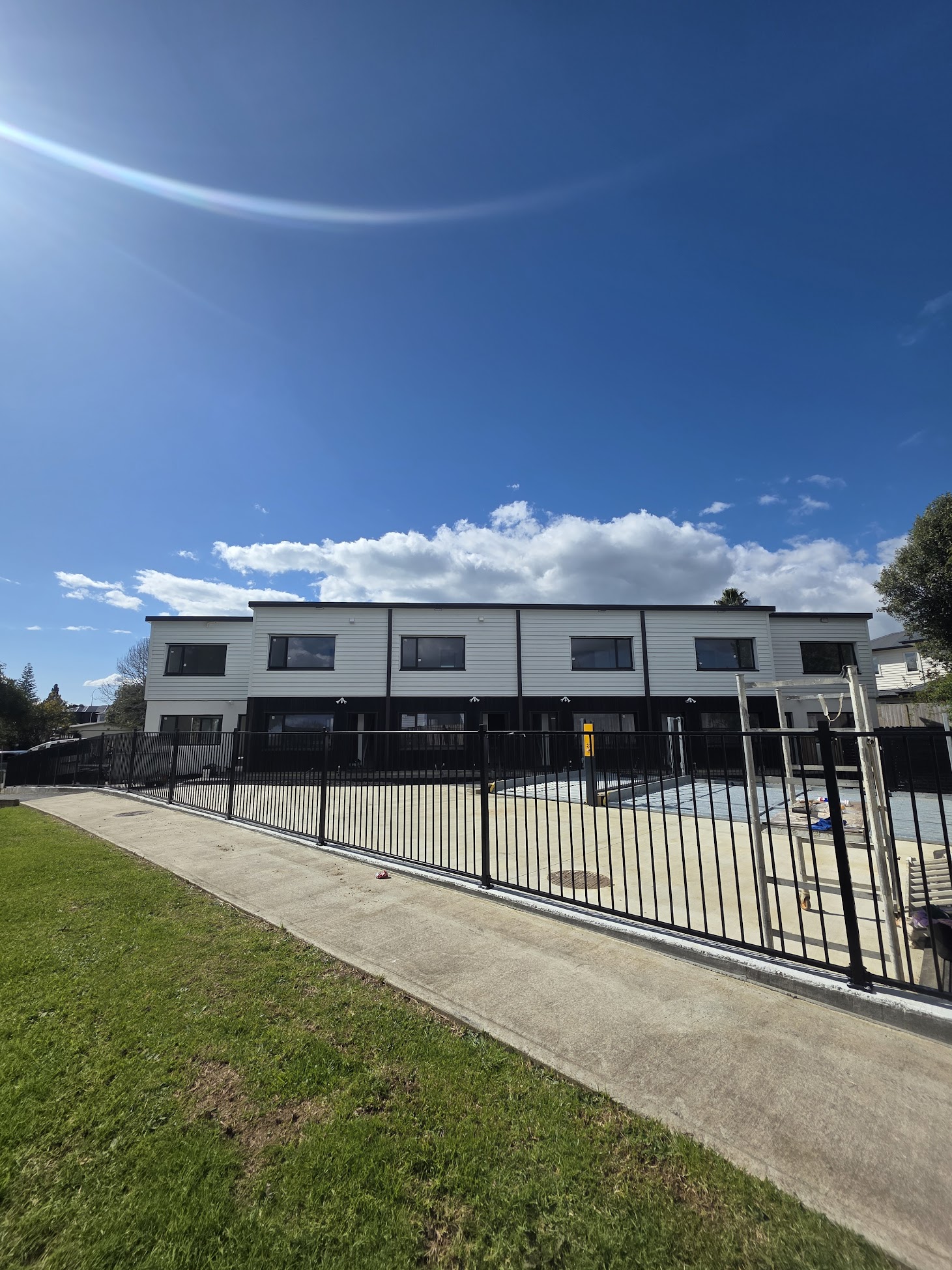
Most sellers know their property could present better. knowing what to prioritise, how much to spend, and what's genuinely worth doing versus what wastes money is harder than it looks. This guide covers the practical decisions: where buyer attention actually goes, which work closes the perception gap, and what you can safely leave alone.
First impressions start before buyers step inside
Buyers form their initial impression from two places: the listing photos online and the first thirty seconds standing at the front of your property at an open home. Both happen outside. If you get the exterior wrong, you've already lost ground before a single door is opened.
The basics matter more than people realise. A clean driveway, tidy garden beds with fresh mulch, a functioning letterbox, and a painted or freshly cleaned fence, these signal to buyers that the property has been cared for. That signal carries through the rest of the inspection.
Pay specific attention to fascia boards and gutters. If they're faded, dirty, or peeling, buyers see it immediately from the street. A fresh paint on the fascia and a gutter clean costs relatively little but removes a disproportionate amount of visible neglect. A well-presented exterior doesn't just look good in isolation. it frames everything else the buyer is about to see.
Inside the house, what matters most
Before you do anything else inside, declutter. Every surface, every cupboard, every storage area. Buyers open cupboards. they want to imagine their belongings fitting comfortably in the space, and a cluttered interior signals that the property doesn't have room. Make every area look like there's plenty of it.
A neutral repaint is almost always worth doing. Off-white, warm grey, or light stone tones do two things: they remove the accumulated evidence of wear (scuffs, marks, the odd hole), and they give buyers a blank canvas to project themselves into. A house painted in bold or dated colours narrows your buyer pool. A house painted in clean neutral tones expands it.
Flooring is the third major decision inside the house. The approach depends on condition. Damaged flooring should be replaced, cracked tiles, heavily stained carpet, or warped timber reads as deferred maintenance. Worn flooring, however, can often be refreshed rather than replaced: professional carpet cleaning, timber floor polishing, or tile grout cleaning can recover a significant amount of perceived condition at a fraction of replacement cost. Don't replace what can be properly restored.
Kitchen and bathroom, the two rooms that decide the sale
Research consistently shows that buyers make purchase decisions disproportionately based on how the kitchen and bathroom present. These two rooms carry more weight than their footprint suggests. Getting them right is the highest-return work you can do.
In the kitchen, the biggest perception shifters are often small changes. New handles on the cabinetry can modernise a dated kitchen without touching the boxes. Fresh tapware makes a meaningful difference. If the cabinet colour is genuinely problematic, a 1990s honey pine, for example, repainting can transform the look for a few hundred dollars in materials. Clean grout lines on tiled splashbacks, updated light fittings, and a clean rangehood round out a targeted refresh that buyers will notice.
In the bathroom, the approach is similar. Regrout the tiles if the grout is dark or crumbling. it reads as dirty even when the tiles themselves are fine. Replace tapware and the showerhead. Clean or repaint the vanity if it's dated. Ensure the lighting is adequate and modern; poor bathroom lighting makes the space feel smaller and less appealing in photos. A bathroom doesn't need to be new to feel well-maintained. it needs to look like someone has cared for it.
The key point on both rooms: you don't need a full kitchen or bathroom project to close most of the buyer perception gap. Targeted refresh work at a fraction of the cost achieves the same result when the scope is right.
What NOT to spend money on
As important as knowing what to do is knowing what not to do. Several categories of work consistently fail to return their cost at sale:
- Structural work that doesn't affect buyer perception. Drainage remediation, roof insulation, rewiring behind walls, buyers can't see this work, and it rarely gets priced into offers the way visible work does.
- Luxury upgrades in an average-price suburb. The local market caps returns. Installing a $15,000 kitchen in a suburb where equivalent properties sell for $550k rarely recovers the full cost in the sale price.
- Full room additions or extensions. Costs almost never recover fully at sale. The exception is where the property is genuinely under-improved for the land and suburb, in that case, the calculation changes.
- New appliances that aren't essential to presentation. Replacing a functional oven because it's a few years old adds cost without meaningfully moving buyer perception.
Eleva funds and manages all preparation work. you pay nothing until the property sells.
See if your property qualifies →The budget reality
Targeted preparation work often costs far less than sellers expect, and the work that matters most is rarely the most expensive. Here's a realistic guide to what well-scoped work actually costs:
- Decluttering and cleaning: minimal cost, significant visual impact
- Repainting a 3-bedroom home: typically $4,000–$8,000
- Kitchen refresh (handles, tapware, paint, lighting): $2,000–$5,000 depending on scope
- Bathroom refresh (regrout, tapware, vanity clean or repaint, lighting): $2,000–$5,000
- Garden tidy, mulch, pressure wash driveway: $500–$2,000
- Flooring refresh (professional clean or polish): $800–$2,500
A well-scoped project across all of these areas can typically land between $15,000 and $30,000, and that's the range where the right work at the right property moves buyer perception most meaningfully. A $50,000+ project is rarely necessary and often over-capitalises for the market. The goal is to close the gap between how the property currently presents and how comparable properties in that price range present. to exceed the market.
The no-upfront option
For many owners, the barrier to preparing their property properly isn't willingness. it's funding. Coming up with $20,000–$30,000 before a sale settles is a real constraint, particularly if you're carrying mortgage costs or funding a purchase elsewhere at the same time.
Eleva's property partnership model is designed specifically to remove this barrier. Eleva funds and manages all preparation work, trades, materials, project management, and costs are recovered at settlement rather than paid by the owner upfront. You pay nothing until the property sells.
This means sellers who couldn't otherwise access the preparation their property needs can still present it to the market at its full potential. And because there's no agent commission either. that's also recovered at settlement, the structure removes both of the major upfront cost barriers that typically sit between a property's current condition and its full market value.
If your property would benefit from targeted preparation work and funding is the constraint, the partnership model is worth understanding before you decide how to proceed.