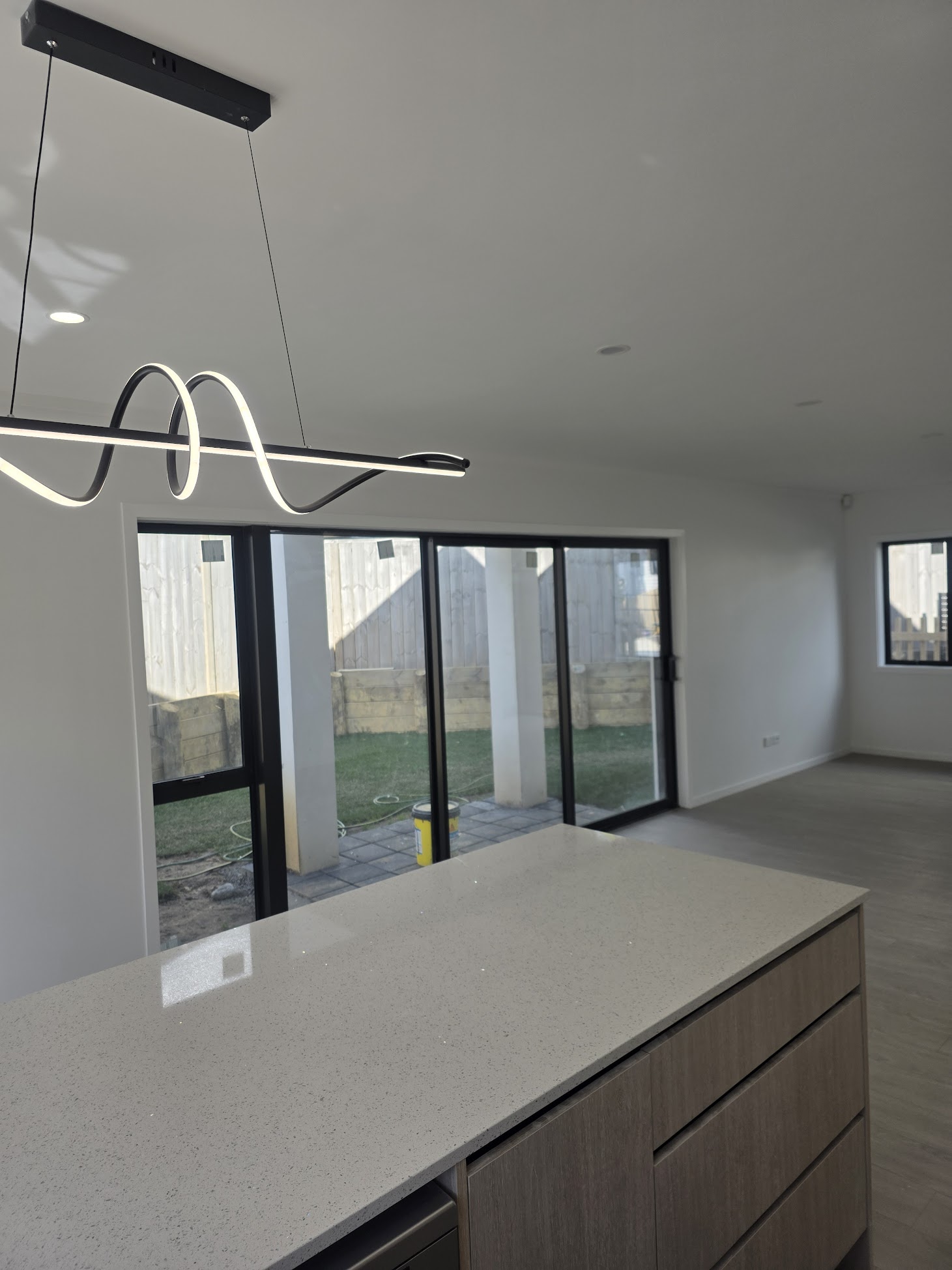
How to prepare a house for sale is one of the most practical questions property owners face, and one of the most misunderstood. Spend too much on the wrong things and you erode what the property can return. Spend too little and buyers price in the condition problem at inspection. This guide covers what consistently adds value before selling, what doesn't, and how to think about the decision.
The Fundamental Question
The correct question isn't "will this add value?". it's "will this add more value than it costs?" A kitchen update on a lower-priced property might recover 80 cents in the dollar. The same spend on a higher-value property in the right suburb might return significantly more. The context, property type, price point, buyer profile, changes the calculation entirely.
What Typically Adds Value Before Selling
Exterior presentation and kerb appeal
First impressions drive offers. Fresh paint, landscaping, a clean driveway and path, these are among the highest-return preparation categories relative to cost. Buyers form a strong first impression before they step inside the property. Improving what they see first is often the most efficient spend you can make.
Kitchens (refresh, not replace)
Full kitchen replacements are expensive and rarely recover dollar-for-dollar at most price points. A kitchen refresh, new benchtops, cabinet fronts, hardware, splashback, updated appliances, typically recovers significantly more than cost across the standard residential market. Buyers respond to clean, functional kitchens. They don't need luxury finishes to feel confident about a purchase.
Bathrooms (reset, not rebuild)
Structural bathroom work (moving walls, plumbing relocations) is expensive and slow. A bathroom reset, new vanity, toilet suite, lighting, flooring, paint, consistently adds value disproportionate to its cost. In properties with visibly dated bathrooms, buyers price in a significant discount that a well-targeted reset can eliminate.
Flooring
New flooring, replacing worn carpet with hybrid vinyl plank or similar, is one of the clearest signals of a well-maintained, move-in-ready property. Old flooring signals neglect and triggers broad price resistance at inspection. The return on flooring is typically strong because it affects the feel of every room in the property simultaneously.
Don't want to pay upfront?
Eleva funds all preparation work. you pay nothing until settlement.
What Usually Doesn't Return Dollar-for-Dollar
- Full structural extensions, high cost, long timeline, rarely recovers in full unless the property is undersized for its suburb median
- Premium appliance upgrades, buyers generally don't pay proportionally more for luxury appliances in standard residential price ranges
- Swimming pools, installation costs are substantial; the market premium is typically a fraction of the cost in most suburb types
- High-end finishes in lower-priced areas, expensive materials don't return luxury prices in affordable suburbs
How Eleva Approaches Property Preparation
Eleva's preparation approach is deliberately targeted. We focus on the improvements that maximise the gap between preparation cost and sale price outcome. the most impressive result, but the most efficient one. The checklist for every property includes:
- Exterior presentation (paint, garden, driveway)
- Kitchen refresh (if dated, functional improvement, not full replacement)
- Bathroom reset (vanity, toilet, lighting, flooring)
- Flooring replacement throughout
- Internal paint throughout
- Lighting update
- Deep clean and styling preparation
This approach addresses buyers' primary concerns, condition, presentation, move-in readiness, without over-investing in finishes that won't move the final price. In a property partnership with Eleva, we fund the entire preparation process upfront. You pay nothing until settlement, and we share the proceeds above an agreed floor price.
"The goal isn't to build the nicest house on the street. The goal is the one where every dollar you put in returns more than a dollar out."
Common Questions
How do I know what to fix before selling my house?
Focus on what buyers will see and price in during inspection: presentation, condition, and move-in readiness. Start with exterior, then kitchen and bathrooms, then flooring and paint. Structural work and premium upgrades rarely return dollar-for-dollar. If you're unsure what's worth doing for your specific property, a partnership conversation with Eleva includes a full assessment, no obligation.
Is it worth preparing a property if I'm selling in 6 months?
Often yes, targeted preparation that addresses condition and presentation can meaningfully change a buyer's offer. Many preparation projects run 6–10 weeks from start to sale-ready. The relevant question is whether the uplift is likely to justify the cost in your specific property and market. Eleva can assess this as part of an initial conversation.
What if I can't afford to prepare my house before selling?
Eleva's property partnership model is specifically designed for this situation. We fund all preparation work, there's no upfront cost. We recover preparation costs from the sale proceeds above an agreed floor price. If you'd prefer a clean, fast exit without preparation work, we also buy properties directly.
What adds the most value to a property before selling?
Exterior presentation typically returns the most relative to cost, kerb appeal improvements drive first impressions before buyers enter. Kitchen and bathroom refreshes, new flooring, and internal paint consistently add value across most property types. What adds the most in a specific property depends on the gap between its current condition and what buyers expect in that suburb at that price point.